
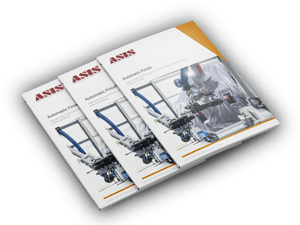
White Paper: Automatic Finish
Automated Touch-Up of Paint Defects
After coating, visible defects may appear on the paint surface—for example, after e-coat, primer, clear coat, topcoat, or base coat. Until now, these defects have often been removed manually. This leads to inconsistent results and places a strain on employees due to grinding dust, ergonomically unfavorable working postures, and tight deadlines.
This white paper demonstrates how the automatic finishing system fully automates this step. It focuses on surface inspection, defect classification, dynamic path planning, and automated grinding and polishing processes.
In addition, you’ll gain insight into the design of a finishing cell, various integration options within the painting process, and the ASIS Technical Center, where you can test your own workpieces and process parameters.
Here’s what you’ll learn
- Why manual post-processing in the paint finishing stage can lead to inconsistent results
- How defects are detected, classified, and processed automatically
- What role automatic sanding and polishing systems play in the finishing process
- What layout options and integration possibilities exist for automated finishing
Why ASIS?
ASIS combines expertise in automated surface finishing with inspection, robotics, control technology, and process development. This results in finishing solutions that specifically assess defects and perform post-processing through grinding and polishing as needed.